How AI Is Reshaping Medical Packaging Design and Production
Every design and manufacturing decision in medical packaging must consider product protection, user needs and quality expectations. The value of new technology lies in its contribution to more reliable and efficient processes.
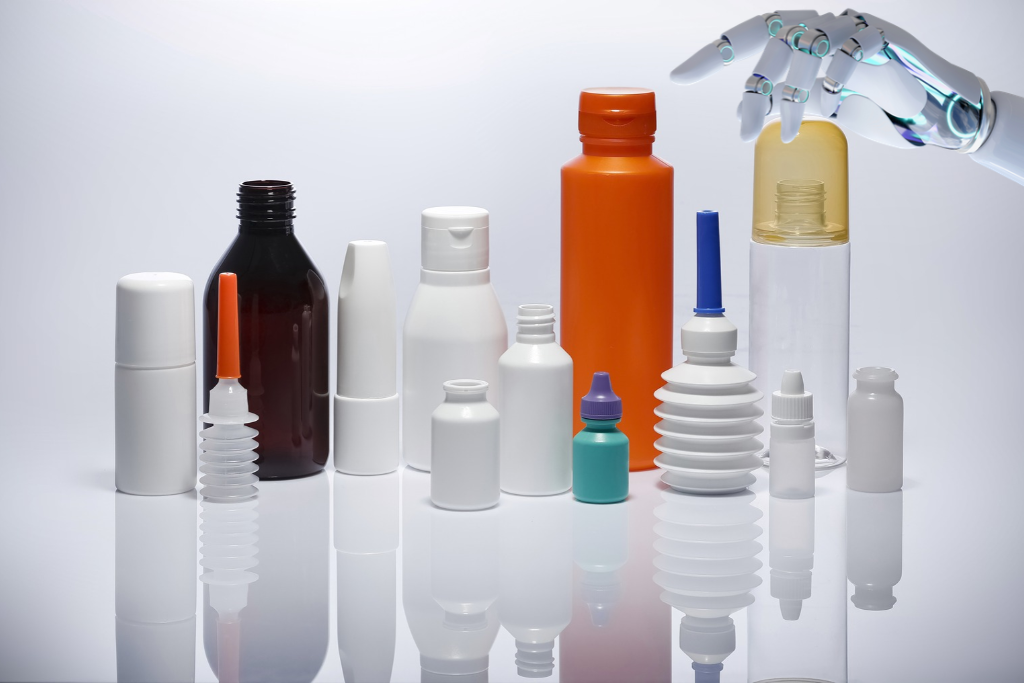
Artificial intelligence offers new ways to assess design and manufacturing data. Understanding how these capabilities might apply to plastic pharmaceutical bottles and closure systems helps manufacturers evaluate the technology with a clear purpose.
Evaluating Design Options More Thoroughly
AI-supported analysis can help explore relationships between manufacturing data and engineering models. This forms part of broader research into connecting design and production activities. [1]
A potential application in pharmaceutical packaging is the comparison of bottle geometries, material quantities and manufacturing conditions. A design team might, for example, investigate how to reduce material use while maintaining the strength the package requires.
A design that appears suitable in a digital assessment must still have its performance verified through physical testing under relevant conditions.
Supporting Visual Quality Inspection
AI-based image analysis is one approach used for defect detection in manufacturing. By learning from defined examples, systems can support the identification of nonconformities in product images. [2]
In medical packaging production, potential applications include specified surface defects, deformation and labelling errors.
The scope of inspection needs to be clearly defined. A package passing a visual check does not establish that its seal integrity or compatibility with its contents has been verified. Each inspection method should be assessed according to the characteristics it can measure.
Gaining More Insight from Production Data
Potential manufacturing applications of AI include process monitoring, control and the detection of changes in equipment performance. [3]
In packaging production, this approach could help investigate relationships between process variables and quality outcomes. Examining the conditions associated with a recurring defect, for example, may help teams identify where to focus improvement efforts.
Evaluating the benefit requires measurement. Baseline conditions, the data used and the results achieved after implementation should all be considered.
Informing Maintenance Planning
Combining machine learning with physical equipment models is being researched as a way to support monitoring, fault diagnosis and assessments of future equipment condition. [4]
For medical packaging manufacturers, a potential application is to examine changes in equipment data alongside maintenance history and prioritise situations requiring attention.
The success of such an approach should be assessed through the reliability of its alerts under actual operating conditions.
Setting Measurable Sustainability Goals
Resource efficiency can be included among the objectives of an AI project. Material consumption, energy use and scrap per accepted product are examples of indicators that teams could monitor.
Using AI does not, by itself, demonstrate an environmental benefit. Sustainability improvements should be supported by a clear comparison, an appropriate measurement method and evidence that the package continues to meet its performance requirements.
The Future of Packaging: Data, Experience and Verification
Engineering experience and responsibility for quality should remain central when evaluating AI in medical packaging. Every recommendation needs to be assessed against product requirements and actual manufacturing conditions.
For Sen-Pa, evaluating emerging technologies means considering safety, quality, manufacturability and the efficient use of resources together.
The value of AI in packaging becomes clear when insights from data lead to reliable, measurable improvements.
Kaynaklar / References
Aşağıdaki kaynaklar genel üretim ve ilaç üretimi araştırmalarını ele almaktadır. Metindeki ambalaj örnekleri, bu yaklaşımların olası uygulamalarını açıklamaktadır; belirli bir ürün veya tesis için kanıtlanmış sonuç iddiası taşımaz.
- Digital Twins for Advanced Manufacturing — NIST. www.nist.gov
- The Rise of Artificial Intelligence in U.S. Manufacturing — NIST. www.nist.gov
- Artificial Intelligence in Drug Manufacturing — FDA. Bağlayıcı rehber niteliğinde olmayan tartışma belgesi / Discussion paper, not binding guidance. www.fda.gov
- Augmented Intelligence for Manufacturing Systems — NIST.